
Gates and fences · Los Angeles
Star Steel
In-house fabrication up front, a local project portfolio, and pages for gates, fences, access control, and repairs.

Service types
Service · Web design
A fence and gate company wins work two ways: custom projects people choose by looking at them, and repair calls where being easy to reach matters most. I build websites that give each its own path: a project portfolio, service pages, and a phone number that's easy to tap.
Who it's for
Someone pricing a privacy fence and someone whose driveway gate won't close aren't looking for the same page. Each main service gets a page of its own, built around what that customer needs to see:
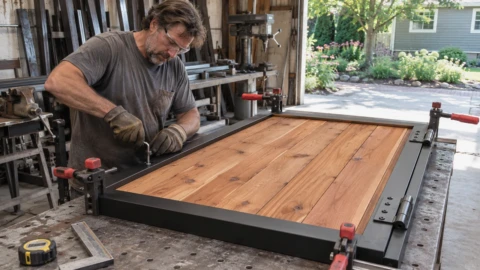
A gallery of finished gates by style and material, and a page on how you design and build, so a visitor can picture their own and ask for an estimate.

Swing, sliding, and bi-parting gates, each explained with photos, so a homeowner has an idea of what suits their driveway before the first call.
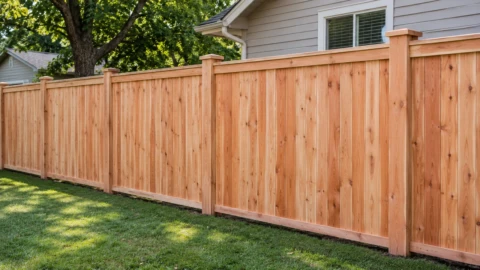
Pages by material, such as wood, vinyl, chain link, and ornamental iron, since a customer often arrives knowing the one they want. Each shows finished jobs.
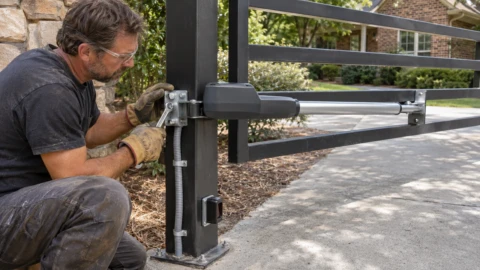
Operators, remotes, keypads, and sensors explained in plain words, for a new gate and for adding automation to a gate that's already there.
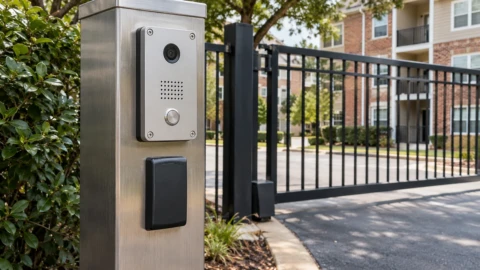
Keypads, intercoms, and card readers, explained for the people who manage a building or a gated community and decide who gets in and how.
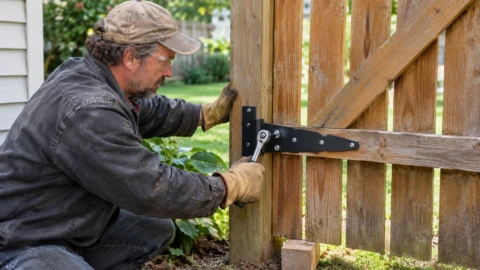
The phone number comes first, then the problems you fix: a gate that won't open, an opener that quit, a fence section down. If you take emergency calls, it says so.
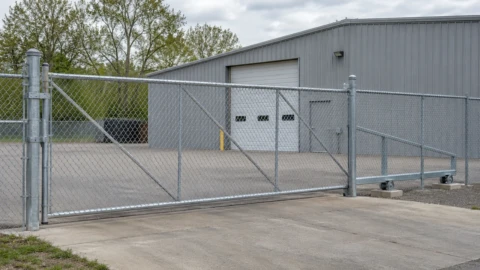
A page for property managers and business owners: security fencing, sliding and rolling gates, access control, and the kinds of sites you've worked on.

If you also install or repair garage doors, they get a section of their own, with pages for installation and repair, not a line at the bottom of the gate menu.
Work from the studio
One project in this trade so far: Star Steel, a Los Angeles workshop that designs, fabricates, and automates gates, with fences, access control, and repairs alongside.
What you get
A site with the same care you put into a gate: clean, solid, and built around your photos. Nothing like the template every contractor in town is using.
New project or repair. A visitor sees right away which way to go, what you build, where you work, and how to reach you.
Gates and fences you've built, organized by type of work and by location, so a customer can find a job like theirs. Adding a new project later is easy.
We sort through the photos and text you have and list what's missing: gate types, fence materials, how an estimate works. We agree up front on how much I write and edit, and on who checks the technical details.
Someone standing at a gate that won't open is holding a phone. The site is fast, readable, and easy to use on a small screen, with accessibility principles in mind.
Pages by service and by area, such as driveway gates, fence installation, and gate repair in the cities you serve, with clear headings, URLs, and internal links. Ongoing SEO isn't included; when needed, I'll refer you to a specialist.
A tap-to-call phone number stays within reach on every page. For new work, a short estimate request form asks what's needed and whether it's a home or a commercial property.
I connect analytics tools that show how many people tapped the phone number or sent a request through the site, and where they came from, so you can see what's working: gates, fences, or repairs.
When the site goes live, you get admin access and I show you how to add a project and edit a page. After that, maintenance and support are available under a separate quote, based on what the site needs.
Reviews, license, bond, and insurance details, and your own fabrication shop, if you have one, appear where a customer is deciding whether to call.
The site, the photos, and the content are yours. You can add services and service areas, move the site, or expand it later, without rebuilding it and without depending on me.
Plugins, third-party systems, full copywriting, photography, and ongoing maintenance are defined in the proposal as needed.
How we work together

I'm Elad Oren, and I'm with you throughout the project. You know who to talk to, what's done, and what comes next, with a clear weekly update.
We talk about your approach, services, customers, and current site, and define the scope of work.
We organize the pages, the copy, and the materials needed, and make clear who prepares each part.
I shape the design, we review it together, and I build the site once the direction is approved.
I test the layout, links, and forms, the site goes live, and you get a walkthrough on managing it.
Questions and answers
Yes, and it's the first thing we plan. New projects get the portfolio and pages that lead to an estimate request. Repairs get their own pages, with the phone number up front. A visitor chooses a path on the first screen.
The timeline depends on the number of pages, the amount of content, the design, and the integrations you need. After an intro call and initial discovery, you get a proposal that spells out the scope and the timeline. How quickly materials and feedback come in also affects progress.
By type of work and by place. On the Star Steel site, each project is tied to a service and a location, so a visitor who likes a gate can see what kind of job it was and where. A few good photos and a short description per project are enough. You don't need to show every job.
No. One site can speak to both, with separate pages for each. A homeowner sees gates and fences on houses like theirs. A property manager sees commercial work, access control, and how to get service. Both end at the same phone number and the same short form.
Only where there's something real to say about it, like projects you've completed there. Service areas can sit on one page or get pages of their own. We decide based on how many areas you cover and whether each page would have real content that differs from the others.
That's your call. Custom work is hard to price from a list, so the site can explain what affects the price, such as size, material, and automation, and lead to an estimate request. If some services have a set price, like a service call, we can show it.
I build the SEO foundation as part of the site: clear page structure and content, and technical work ahead of launch. Ongoing SEO isn't included in the service. If you want ongoing SEO, I'll refer you to an SEO specialist.
Not always. Clear phone photos of finished work, taken in good light, can carry a portfolio. We'll go over what you have and pick the jobs worth showing. If the project calls for a photographer, I can bring one in with your approval.
The price depends on the number of pages, the amount of content, the design, and the integrations you need. After an intro call and initial discovery, you get a proposal that spells out the scope and the price.
Intro call
Tell me what you build, what you repair, and which areas you cover. We'll start with a call, look at the site you have now, if there is one, and work out what your company needs from the next one.
A small studio. On purpose.
Elad Oren
3Pines Studio
Further reading